When the heat goes out in Lancaster, PA, the clock starts ticking, and the diagnosis depends entirely on what kind of system is doing the failing. On a gas furnace, the single most frequent culprit is a flame sensor coated in oxide: the burners light, the sensor cannot prove the flame, and the board shuts the gas down after the third attempt and locks out. Close behind come cracked hot surface igniters, stuck pressure switches, clogged condensate traps on high-efficiency models, and blower motors that have quietly worn out. Heat pumps fail differently: a weak defrost cycle leaves the outdoor coil armored in ice, a failed reversing valve strands the system in cooling, and a dead outdoor unit leaves the electric backup strips carrying the whole house at several times the operating cost.
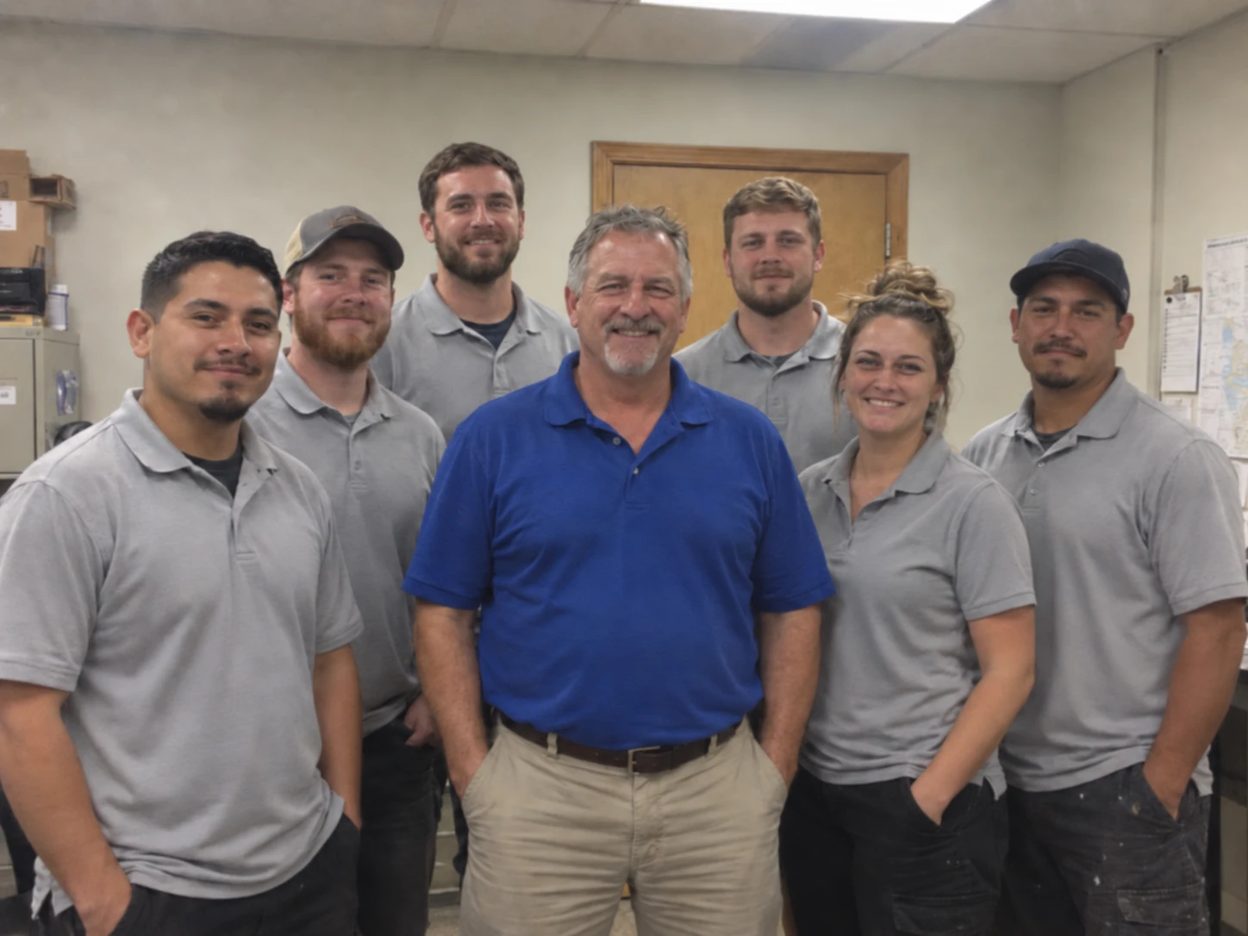
Guessing gets expensive on a cold night, so Lancaster HVAC treats every heating call as a diagnosis first and a repair second. Our experienced technicians measure before they replace anything: microamp flame signal, igniter resistance, pressure switch response to actual inducer draft, capacitor and motor readings, plus charge and defrost checks when the system is a heat pump. On gas equipment, safety checks are part of the routine, not an add-on. Gas connections are leak-tested, the heat exchanger is inspected, and venting is verified, because warm air from an unsafe furnace is not a fix.
Gas and electric furnaces, heat pumps, air handlers, boilers, and ductless systems from every major brand are all part of our daily work. Because the trucks carry the parts that fail most, including igniters, flame sensors, capacitors, inducer motors, and blower motors, most repairs are done before we leave. When a system has reached the end of its useful life, you will hear that from us plainly, along with real numbers for each option. Need heat back in Lancaster? Call (717) 200-9257 and we can get someone to you today.
Our most requested repair is Furnace Repair in Lancaster. If something has stopped working, start there.
Warning Signs for Heating Repair
Recognizing the warning signs early can save you time, money, and prevent significant damage to your property. These are the signals our technicians see most often when a problem is underway:
- Thick ice or frost covering the heat pump outside
- A rotten-egg, burning, or musty smell once the heat kicks on
- A loud boom when the burners light, which points to delayed ignition
- No warm air at the registers even with the heat turned up
- The furnace clicking and trying to light but shutting back down
- Frequent on-off cycles that never bring rooms up to temperature
- Some rooms warm while others stay stubbornly cold
- Energy costs climbing even though the house feels colder
Don't Wait for a Total Failure
Left unchecked, even a small fault or temperature swing often signals a system working its way toward a breakdown. At the first hint of a problem, reach out to Lancaster HVAC at (717) 200-9257 for a fast inspection.
Frequently Asked Questions About Heating Repair
Why Professional Heating Repair Matters
The most serious heating failures are the ones nobody notices. A cracked heat exchanger can send combustion gases into the supply air, a blocked or failing flue can spill carbon monoxide into the house, and a furnace that lights late booms gas inside the exchanger, weakening it a little more every cycle. An untrained eye rarely catches any of it. Even routine symptoms can mislead: a short-cycling furnace may have a bad limit switch, or it may simply be shutting down to protect itself from a choked filter. Clean a flame sensor without asking why it fouled, and the next lockout is already on the calendar.
That is why Lancaster HVAC does not guess. Our technicians read flame signal on a meter, look at the heat exchanger directly, confirm the flue is drafting, and compare temperature rise to the data plate so the blower and the fire are properly matched. On heat pumps we check defrost controls, sensors, and the reversing valve rather than blaming the compressor, and we find out whether the electric backup heat has been running in the background and driving up your costs. Nothing is called fixed until it has run a full cycle and proven itself safe and correct, because that is what the machine heating your home deserves.
Our Heating Repair Process
Every visit follows a step-by-step method refined over years of hands-on experience. Here's how we handle heating repair from start to finish:
Testing & Safety Check
We pull the fault codes, then verify: flame signal, igniter resistance, pressure switch operation, motor and capacitor health, and charge and defrost on heat pumps, with gas connections leak-tested as standard.
Straight Answers & a Firm Price
You see the failed part and hear precisely why it failed, then get a firm price before any work starts. When a cracked heat exchanger or failed compressor makes replacement the smarter move, you hear it from us directly.
The Repair Itself
Igniters, flame sensors, pressure switches, capacitors, and motors ride on our trucks, so most heating repairs are completed the same visit and the house starts warming before we leave.
Full Cycle Verification
Before we leave, the system runs through full heating cycles while we measure temperature rise against the data plate, confirm safe combustion and venting on fuel-burning equipment, and check each safety control.
Questions About Heating Repair?
We provide honest advice and upfront pricing on all heating repair work.
Get Help: (717) 200-9257Maintenance Tips for Heating Repair
Smart maintenance is almost always cheaper and easier than an early replacement. Put these technician-approved steps to work around your property:
- Leave open space around the furnace so the burners can draw enough combustion air
- Test carbon monoxide detectors monthly and put one on every level of the home
- Never store paints, solvents, or chlorine products near the furnace; their vapors corrode the burners
- Have the system serviced each autumn, before the weather tests every weak component
- Keep heat pump outdoor units clear of snow, leaves, and shrubs so defrost can do its job
- Swap the filter every month while the heat is running, since restricted airflow trips limits and shortens heat exchanger life
- Do not ignore a boom at ignition or a new rattle, since early repairs cost far less
Should You DIY or Call a Pro?
A homeowner can swap a filter with ease, but diagnosing capacitors, refrigerant charge, control boards, and error codes calls for the equipment and know-how only a pro brings. Consider the following comparison:
| Factor | DIY Attempt | Professional Service |
|---|---|---|
| Carbon Monoxide | An unseen hazard never gets tested | Heat exchanger and draft verified |
| Diagnosis | Guessing from a blinking code | Flame signal and components metered |
| Gas Safety | A loose fitting goes unnoticed | Every joint checked with a leak detector |
| Heat Pump Faults | Defrost problems misread as total failure | Boards, sensors, and valves tested properly |
| Root Cause | Sensor cleaned, cause ignored | The reason it failed tracked down |
| Verification | One successful start and done | Temperature rise measured over full cycles |
Talk to a Heating Repair Expert
The sooner you call, the sooner your comfort is back. Reach Lancaster HVAC for fast service.
Call (717) 200-9257 TodayAreas We Serve for Heating Repair
Our technicians handle heating repair throughout Lancaster and the surrounding communities, with the same upfront pricing everywhere we work.